The frozen sewer lateral, and what actually thaws one
It does not look like a burst pipe. It looks like every drain in the house backing up on the coldest week of the year.
September 15, 2026 · 4 min read
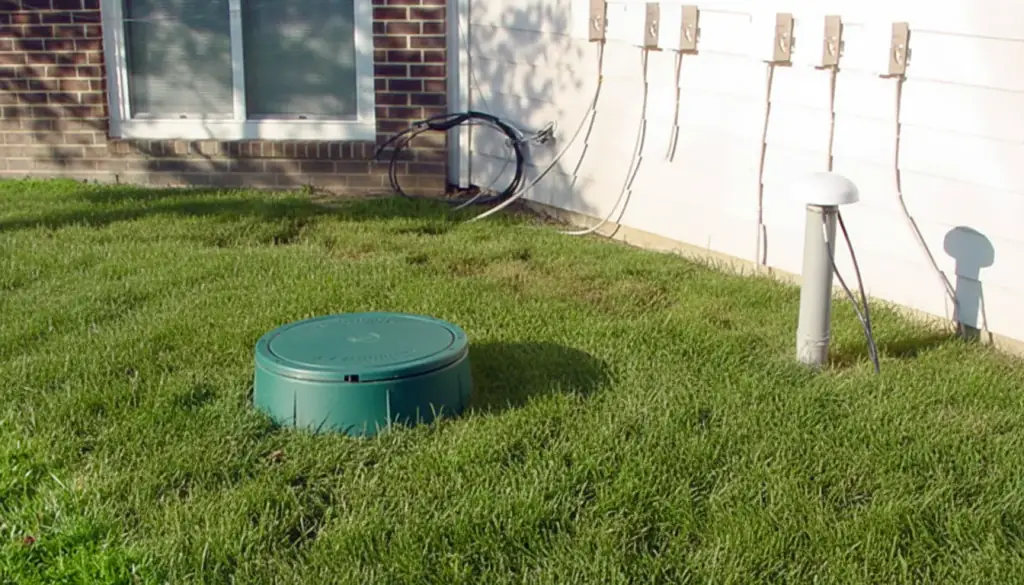
A sewer lateral freezing solid is a specifically Wisconsin problem, and it does not look like a burst pipe. It looks like every drain in the house backing up at once, slowly, on a night when the temperature has been below zero for a week straight.
Why a lateral freezes when the ground around it does not
Frost goes deep in western Wisconsin, and a sewer lateral buried at an older, shallower depth, or one that runs under an unheated area like a driveway apron or a spot where snow has been plowed clear and its insulating cover removed, can end up sitting right at the frost line in a hard winter. The line itself does not need to be full of water to freeze. A slow drain, low household water use while people are away, or standing water left in a low spot of the pipe from a previous slow flow is often all it takes. That water sits, the ground around it drops below freezing, and it turns solid over a period of days, not a single hard freeze.
What makes a house prone to it
A few things stack the odds: a lateral that runs shallow for part of its length, a section under a driveway or walkway that gets plowed or shoveled bare of insulating snow, a house that sits empty for stretches such as a hunting cabin or a seasonal place, and a line that already runs slow from age, roots or a partial blockage even before the cold arrives. None of those alone freezes a lateral. Together, in a hard cold snap, they do.
Why a camera and locator means one hole, not the whole yard
The old way to find a problem in a buried line was to guess and dig. A sewer camera run down the line shows exactly where the water stops moving and where the freeze is sitting, and a locator reads the camera head's signal from the surface to mark that spot within a foot or two. That is the difference between opening one hole at the actual freeze point and trenching a much longer run of yard on a guess, in January, in frozen ground, which is its own expensive problem. It is also how we tell a frozen line apart from a line that is frozen because something else, a root intrusion or a collapsed section, is slowing the flow enough to let it freeze in the first place. Thawing a line with a separate underlying problem just buys a few days before it happens again.
Keeping it from happening again
Once a lateral has frozen, it is worth treating that house as prone to it, because the conditions that caused it once, shallow burial, a plowed-bare section, a slow-draining line, do not go away on their own. During the next hard cold snap, a slow trickle of water left running from one fixture keeps water moving through the line instead of sitting still long enough to freeze, and it is a cheap habit compared to the alternative. If the line runs under a driveway or a walkway that gets plowed clear every storm, leaving a strip of snow over that section rather than clearing it down to bare pavement keeps the natural insulation in place. Neither fix is permanent. A lateral that keeps freezing in the same spot every winter is usually telling you it needs to be re-run at a proper depth, not managed around indefinitely, and that is a conversation worth having with us before the next cold snap rather than during it.
What to do at 11 p.m. when every drain backs up
Stop running water. Every fixture in the house shares the same lateral, so a load of laundry, a long shower or running the dishwasher while the line is frozen just pushes more water toward a pipe that already cannot drain, and that is what turns a frozen line into water backing up into a basement floor drain or a tub. Do not pour anything down the drain to try to thaw it yourself: not hot water, not a chemical drain opener, not anything else. Warm water added to a line that is frozen further down does not reach the ice, and a chemical opener concentrates in the standing water right where people and pets can be exposed to it later. Call the emergency line. We run 24-hour emergency service specifically for this: frozen, plugged and storm sewer line calls do not wait for office hours, because a backed-up lateral does not wait for office hours either.
Getting it running again
Once we have located the freeze with the camera, thawing it is usually a controlled, targeted job rather than the guesswork the situation feels like at 11 p.m. If the line has an underlying issue contributing to it, we will tell you what we found before recommending a fix, not after. Call (715) 834-5409. Estimates are free, and the same crew that handles septic and well work handles this, because it is the same shop and the same trucks.
Certified Inc, (715) 834-5409
Call (715) 834-5409More articles
Why a furnace usually quits on the coldest night of the year
The failure is rarely instant. Here is what the furnace is telling you two weeks before it quits, and what to check yourself before you call.
Hard water, orange stains and blue-green joints: reading what your well is doing to the house
Three symptoms in three different rooms are usually the same well telling you three different things.